Quick answer
If your sessions are dominated by heavy lifting — squats, deadlifts, Olympic lifts — and you want the firmest, most planted base, try the Nike Metcon first. If you want one training shoe that balances lifting with more running, jumping and high-rep circuits, try the Reebok Nano first.
Short verdict
- Both are purpose-built cross-trainers, so the headline stability and grip ratings are deliberately close.
- The Metcon leans toward a firmer, flatter platform for maximal lifts; the Nano tunes the same stable chassis toward a bit more forefoot give for mixed work.
- Both are series families, so generation, men's or women's version, width and colorway can still change the fit.
Comparison table
What to look for
- Choose Metcon first if heavy lifting and a firm planted base dominate your training.
- Choose Nano first if your sessions blend lifting with running, jumps and high-rep circuits.
- Check heel lockdown with the lacing you actually use.
- If you have broad feet or a high instep, confirm the specific generation's forefoot and instep room.
Features to be careful with
- Treating a trainer as a standing or long-distance running shoe
- Assuming the series name guarantees forefoot room on every version
- Judging only how stable the base feels standing still
- Sizing up in length to fix forefoot pinch, which risks heel slip
What each series is for
The Nike Metcon is the firm-platform training shoe in the library. In the catalog data its platform stability, heel stability, midfoot support and grip durability are all rated high, while cushioning is medium. That combination describes a shoe built to stay flat and solid under load: a wide, firm base for lifting, a heel that does not wobble, and an outsole that survives rope climbs and floor work. You pick it for control, not for softness.
The Reebok Nano is the all-around cross-training shoe. Its platform stability, heel stability, midfoot support and grip durability are also rated high, but it is positioned as the bridge between strength work and dynamic, high-rep training, with a slightly more forgiving forefoot for reps and short runs. Its own catalog notes flag it as a training shoe, not a long-distance runner, and warn that wide-foot and high-instep wearers should check the specific generation.
How the structure feels under your foot
Platform and heel are where these two earn their place, and where they are most alike. Both rate high on platform and heel stability, which is exactly what you want under a squat or deadlift: a base that does not compress or roll, and a heel that stays locked so force goes into the bar rather than into wobbling footwear.
The meaningful split is cushioning character and forefoot behavior during dynamic work. Both are rated medium for cushioning, but the Nano is positioned as the more forgiving forefoot for reps and short runs, while the Metcon is built firmer and flatter to stay stable under load. During heavy front squats the Metcon's firmness is an advantage; during a long circuit of thrusters, burpees and short runs, the Nano's slightly more forgiving ride tends to feel less fatiguing. Neither is a running shoe, but the Nano tolerates the short running baked into CrossFit-style sessions a little better.
On fit, both list a regular forefoot width and a rounded, regular-height toe box, so neither is a true wide-foot specialist. If you have broad feet or a high instep, do not assume the series name guarantees room — the Nano's notes specifically tell those wearers to check the exact generation, and that applies to the Metcon too. Use the fit hub's how shoes should fit checks rather than trusting a logo.
Which one for your scenario
- Heavy lifting first (squats, deadlifts, Olympic lifts, low reps): lean Metcon — the firmer, flatter platform is the feature you are buying.
- Mixed CrossFit or HIIT with running, jumps and high reps: lean Nano — the more versatile, slightly more forgiving ride handles the cardio portion better.
- Rope climbs and abrasive floor work: both rate high on grip and durability; the Metcon is the traditional rope-work reference, but both are built for it.
- A heel that slips in trainers: both have high heel stability, so fit and lacing matter more than the badge — see the heel-slip guide.
- Wide feet or bunions: neither is a wide-toe-box shoe on paper; try the exact width in the training and gym catalog rather than forcing a regular-width trainer.
- Standing all day at work: these are not standing shoes — a firm lifting platform is tiring to stand on for eight hours; see the standing-all-day guide instead.
How to read the comparison below
The table uses only the structure ratings stored in the ShoesFinder catalog. The library does not record heel-to-toe drop in millimeters or exact weight, so those are not shown as numbers — where they matter they are discussed qualitatively above.
Treat each series as a direction to try, then verify the exact current model, width and gender version on your own feet before buying.
Shoe-series directions to compare
Compare these as series-level directions, not guaranteed exact-model picks.
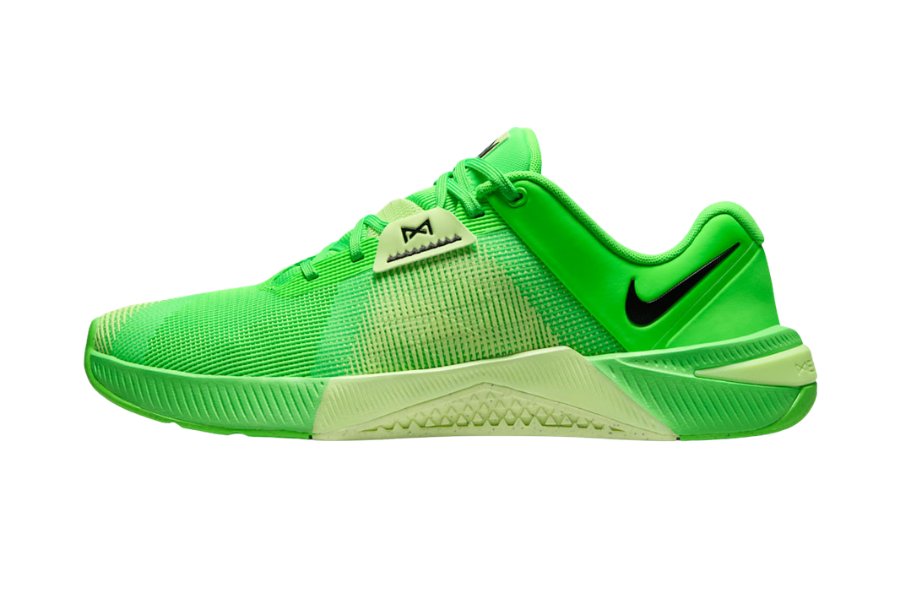
Training and gym
Nike Metcon
Training and gym series direction from ShoesFinder's catalog. Compare the exact version on foot before treating it as a strong fit match. Typical U.S. retail is about $130-$160.
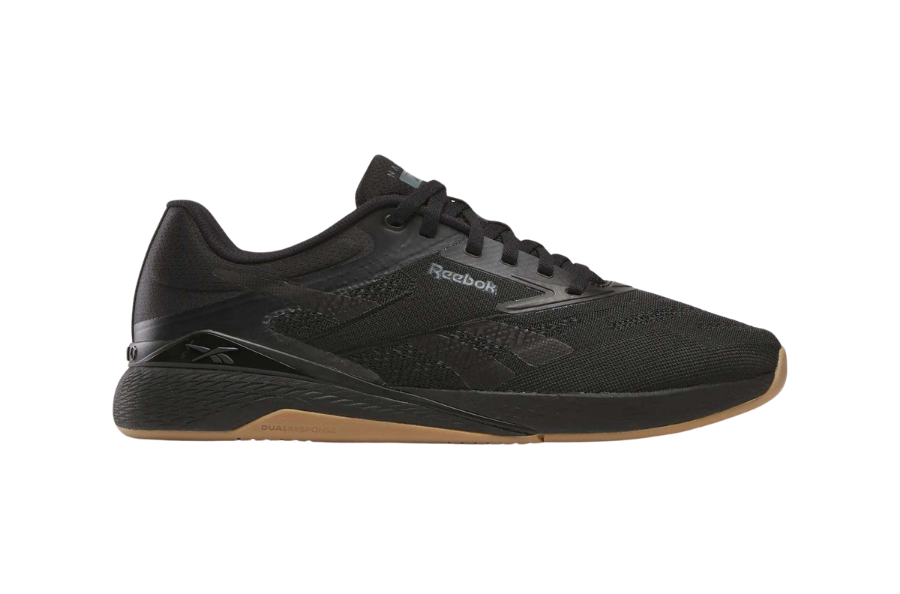
Training and gym
Reebok Nano
Training and gym series direction from ShoesFinder's catalog. Compare the exact version on foot before treating it as a strong fit match. Typical U.S. retail is about $140-$150.
Try-on checklist
- Lace both in your true size and the width you would actually buy, with the socks you train in.
- Do a bodyweight squat and a lunge in each. The platform should feel flat and solid; your heel should stay down and locked, not lift or slide.
- Do a few lateral shuffles and a small jump. Note any forefoot pressure or upper pinch during bend — the upper should flex with your foot, not dig in.
- Jog lightly for thirty seconds if your sessions include running. Neither should feel like a runner, but the Nano should feel a little less harsh for short distances.
- Walk fast for three to five minutes and re-check heel hold and instep pressure, not just how stable the base feels standing still.
FAQ
Is Metcon or Nano better for CrossFit?
Both work for CrossFit; the better first try depends on your programming. The Metcon is the firmer, more planted choice for lifting and rope work; the Nano is the more versatile pick when sessions blend lifting with running, jumps and high-rep circuits. Match the shoe to the majority of your weekly volume.
Which is better for heavy squats and deadlifts?
The Nike Metcon generally gets the nod for maximal lifting because its firm, flat, high-stability platform compresses the least under load. The Nano is stable enough for most lifters but is tuned slightly more toward all-around comfort.
Is the Reebok Nano good for running?
It is fine for the short running inside a CrossFit session, but it is a training shoe, not a running shoe. If you run several miles at a time, a dedicated running shoe from the running and walking catalog is the right tool.
Which is better for wide feet?
Neither series is a documented wide-toe-box shoe; both list a regular forefoot. Wide-foot and high-instep wearers should try the specific generation and width rather than assuming the brand fits. If the forefoot feels pinched, do not just size up in length — that risks heel slip.
Can I wear a training shoe for standing all day?
Not ideally. The firm platform that makes a trainer great for lifting makes it hard and tiring to stand on for hours. For all-day standing, prioritize spring-back cushioning plus a stable heel and base, covered in the standing-all-day guide.
Do I need to try the exact generation?
Yes. Both are series families, and year, version, gendered model and width option change the fit. Try the exact version you plan to buy.
Turn this into a shortlist
Use the assessment if you are balancing more than one issue, or browse the catalog if you already know the main fit feature you want to compare.