Quick answer
If you want the softest, most plush high-cushion ride with a breathable, soft upper, try the adidas Ultraboost first. If you want a lot of cushioning with slightly more neutral, everyday balance and a typically lower entry price, try the Nike Vomero first.
Short verdict
- Both are high-cushion, medium-support neutral runners, so on the structure sheet they are deliberately close.
- The differences the data actually shows are the upper and breathability — Ultraboost is softer and more breathable — and the price band.
- Stability is medium in both, so neither is a corrective stability shoe.
- Exact versions and widths still fit differently.
Comparison table
What to look for
- Choose Ultraboost first for maximum plush softness and a soft, breathable upper.
- Choose Vomero first for high cushioning in a more balanced, usually lower-priced daily trainer.
- If you overpronate or your arches need firm hold, compare a stability shoe rather than either of these.
- High-instep wearers should feel the upper over the top of the foot, not just the foam.
Features to be careful with
- Expecting a high-cushion neutral shoe to hold a collapsing arch
- Judging softness walking only — very soft foam can feel less stable standing
- Assuming a stretchy knit upper equals a wider last
- Ignoring heel hold because the midsole feels plush
What each series is for
The Nike Vomero is the library's high-cushion Nike runner. Its data rates cushioning high, with medium midfoot support, heel stability and platform stability, a medium upper and medium breathability, and a regular forefoot. That is the profile of a comfortable, well-cushioned daily trainer — soft underfoot for longer walks and easy miles, but not a maximalist stability shoe. It is the Nike comparison point for wanting more cushioning than a Pegasus.
The adidas Ultraboost is the library's soft, premium-cushion adidas runner. It also rates cushioning high, but pairs it with a soft upper and high breathability, with medium support and stability on a regular forefoot. That describes a shoe built around a plush, enveloping feel — soft cushioning plus a soft, breathable knit-style upper that many wearers find the most comfortable in the line for easy miles and all-day casual wear.
How the structure feels under your foot
Cushioning is the headline and it is a tie on the rating sheet — both high. Where they diverge is the character around that cushioning. The Ultraboost pairs its high cushioning with a genuinely soft upper and high breathability, so the overall feel is plush and enveloping. The Vomero delivers high cushioning with a medium upper, so it feels like a cushioned performance trainer rather than a luxury-soft shoe — comfortable, but a touch more structured.
Stability and support are medium on both, which sets expectations: these are comfort-first neutral shoes, not stability shoes. If your arches collapse or your heel rolls when you tire, a high-cushion neutral shoe can feel slightly floaty; a firmer stability option such as the Nike Structure or ASICS GT-2000 in the running and walking catalog may serve you better.
On fit, both use a regular forefoot. The Ultraboost's soft upper tends to give and wrap more forgivingly over the top of the foot, which high-instep wearers often appreciate, but a knit-style upper that stretches is not the same as a wider last — if your forefoot is genuinely wide, check the specific width rather than relying on the upper to stretch sideways.
Which one for your foot problem or scenario
- Maximum soft, plush comfort with a soft breathable upper for easy miles and all-day casual: lean Ultraboost.
- High cushioning with a slightly lower typical price and a more balanced daily-trainer feel: lean Vomero.
- A high instep that feels pressure from firm uppers: the Ultraboost's soft upper is usually more forgiving over the top of the foot — compare with the high-instep guide.
- Overpronation, flat feet or arches that need firm hold: neither is a stability shoe; look at Structure or GT-2000 instead.
- Standing all day: both have high cushioning but medium platform stability, so test heel hold and base stability standing still using the standing guide checklist.
- Budget: the Vomero typically starts lower, so if price is the tie-breaker it usually favors the Vomero.
How to read the comparison below
The table uses only the structure ratings and typical price bands in the catalog. Heel-to-toe drop and exact weight are not stored as numbers, so they are discussed qualitatively rather than invented.
Both are series families; the exact current model, width and gender version can still fit differently.
Shoe-series directions to compare
Compare these as series-level directions, not guaranteed exact-model picks.
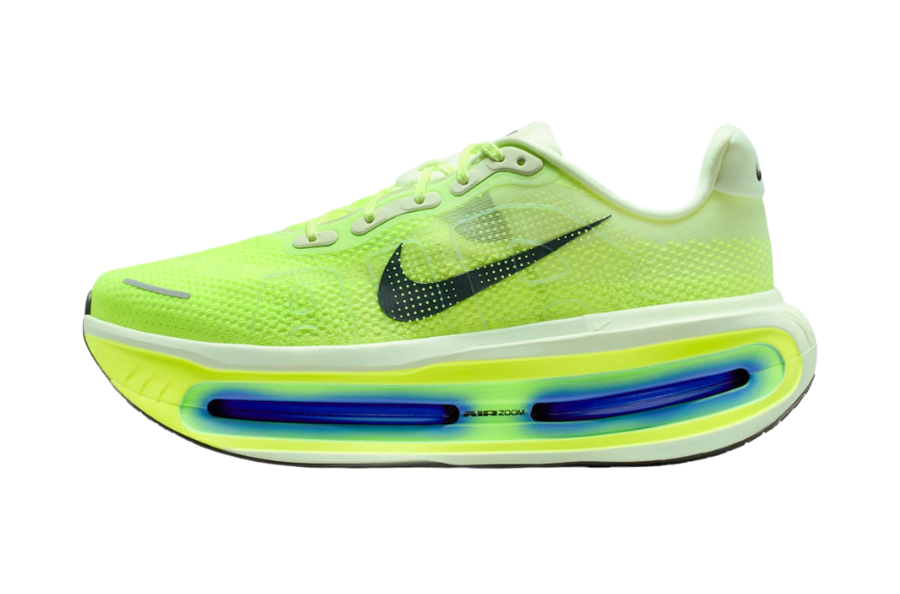
Running and walking
Nike Vomero
Running and walking series direction from ShoesFinder's catalog. Compare the exact version on foot before treating it as a strong fit match. Typical U.S. retail is about $155-$180.
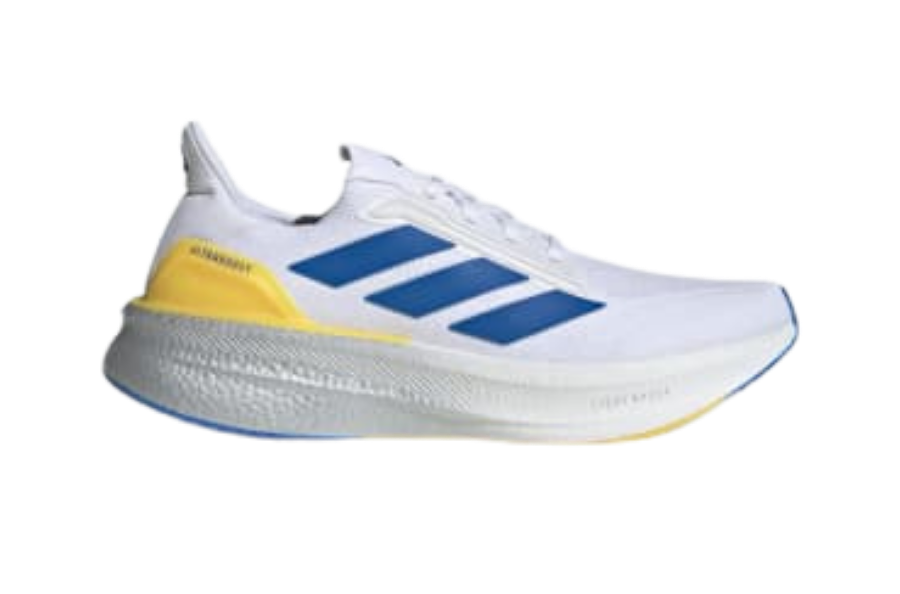
Running and walking
adidas Ultraboost
Running and walking series direction from ShoesFinder's catalog. Compare the exact version on foot before treating it as a strong fit match. Typical U.S. retail is about $180-$200.
Try-on checklist
- Lace both in your true size and usual width with the socks you run or walk in.
- Jog and walk for a few minutes. Focus on the foam: both should feel soft, but note whether you prefer the Ultraboost's enveloping plushness or the Vomero's slightly more balanced cushioning.
- Feel the upper over the top of your foot. The Ultraboost should feel soft and giving; check that the Vomero's medium upper does not press on a high instep.
- Balance and stand still for sixty seconds. Soft cushioning that feels great walking can feel less stable standing — make sure the heel still holds and the base does not wobble.
- Confirm toe room and heel lock while standing; a soft upper should not mean a loose heel.
FAQ
Is Vomero or Ultraboost better?
It depends on the feel you want. Both are high-cushion neutral runners. The adidas Ultraboost is plusher, with a softer, more breathable upper and a premium price; the Nike Vomero delivers high cushioning in a slightly more balanced, typically lower-priced daily trainer. Try for the softness and fit you prefer.
Which has more cushioning?
Both rate high for cushioning in the catalog; neither is the firmer shoe. The difference is less about foam amount and more about overall feel — the Ultraboost pairs its cushioning with a softer upper for a more plush, enveloping ride, while the Vomero feels like a cushioned everyday trainer.
Are these good for standing all day?
They offer plenty of cushioning, but both have medium platform stability, and very soft foam can compress and fatigue over a full shift. If standing is your main use, prioritize spring-back cushioning plus a firm heel counter and stable base, covered in the standing-all-day guide, and try them standing still, not just walking.
Are they stability shoes for overpronation?
No. Both have medium midfoot support and platform stability; they are neutral comfort shoes. If your feet roll inward or your arches need firm hold, a stability shoe such as the Nike Structure or ASICS GT-2000 is the more appropriate direction.
Which is better for a high instep?
The Ultraboost's soft, giving upper is generally more forgiving over the top of a high instep than a firmer medium upper. But a stretchy upper is not extra forefoot width — check the specific width if your foot is also wide. The high-instep guide has the full checks.
Is the Ultraboost worth the higher price?
It typically sits a little higher in price. The extra spend buys a softer, more breathable upper and a more luxurious feel rather than more stability or support. If you value that plush feel it can be worth it; if you mainly want cushioned miles for less, the Vomero covers the same need.
Turn this into a shortlist
Use the assessment if you are balancing more than one issue, or browse the catalog if you already know the main fit feature you want to compare.