Quick answer
If you want a light, versatile, well-cushioned daily trainer and your feet feel fine in neutral shoes, try the Nike Pegasus first. If your arches tire, your feet roll inward, or you want a firmer, more supportive shoe for long days on your feet, try the Nike Structure first.
Short verdict
- Both sit in the same running and walking category and price tier, but they are tuned oppositely.
- Pegasus spends its budget on lightness and versatile cushioning; Structure spends it on midfoot support, heel stability and platform stability.
- Cushioning is medium in both, so this is a neutral-versus-supportive structure choice rather than a soft-versus-firm foam fight.
- Both are series, so the exact version and width can change the fit.
Comparison table
What to look for
- Choose Pegasus first for a light, versatile neutral daily run-walk shoe.
- Choose Structure first if your arches tire, you overpronate, or you want more hold for long standing days.
- Test platform stability standing still, not only while jogging.
- Check the exact width option rather than sizing up in length.
Features to be careful with
- Expecting a neutral shoe to support collapsing arches late in a long day
- Assuming a stability shoe will feel soft and slipper-like
- Buying a longer size to get forefoot room, which invites heel slip
- Judging the shoe only from a short jog in the store
What each series is for
The Nike Pegasus is one of the library's neutral daily trainers. Its data shows high lightweight feel with medium cushioning, medium midfoot support, medium heel stability and medium platform stability, on a regular forefoot with a rounded toe box. That profile describes a shoe built to feel quick and easy for everyday running and walking — cushioned enough for comfort, light enough for pace, without heavy corrective structure.
The Nike Structure is the library's stability running shoe. Its data is the supportive mirror: midfoot support, heel stability and platform stability are all rated high, with medium cushioning and medium lightweight feel, on a regular forefoot. That describes a shoe built to hold the foot in line — a firmer midfoot and a more stable platform that resist the arch collapsing and the heel rolling as you tire. It is the direction you move toward when a neutral shoe leaves your arches aching.
How the structure feels under your foot
Both rate medium for cushioning, so neither is a maximalist soft shoe. The difference is weight and responsiveness: Pegasus rates high for lightweight feel and usually feels snappier for daily miles and faster walks, while Structure is medium in weight because it carries more supportive material through the midfoot and heel, and feels steadier.
Support and stability are the real dividing line. Structure rates high on midfoot support, heel stability and platform stability while Pegasus rates medium across all three. In practice the Structure holds your arch and heel more firmly through the gait cycle, which matters most when fatigue sets in — on a long run, a full shift of standing, or if you tend to overpronate. The Pegasus lets the foot move more freely, which is comfortable and efficient for a neutral, stable foot but offers less to lean on if your arches tire.
On fit, both use a regular forefoot width and a rounded, regular-height toe box, so neither is a wide-foot specialist. If you need a roomier forefoot, look at the wide options flagged in the running and walking catalog rather than sizing up in length, which invites heel slip.
Which one for your foot problem or scenario
- Arches that ache on long runs or long standing days: lean Structure — its high midfoot and heel support are what fatiguing arches lean on; pair with the arch-fatigue guide.
- Overpronation or a flat-foot tendency, feet that roll inward: lean Structure — the high platform and heel stability resist inward collapse.
- Neutral feet wanting one light shoe for daily running, walking and errands: lean Pegasus — the high lightweight feel and medium cushioning make it the easier all-rounder.
- Standing all day on hard floors: both are running shoes, so test rather than assume; the Structure's firmer, more stable base usually serves stationary standing better than the lighter Pegasus — the standing guide has the full checklist.
- A heel that slips: Structure rates higher on heel stability, but fit and lacing dominate — see the heel-slip guide.
- A wide forefoot: neither is wide on paper; try the exact width option and do not just buy a longer size.
How to read the comparison below
The table uses only the structure ratings and typical price bands stored in the catalog. The library does not record heel-to-toe drop or exact weight as numbers, so those are discussed qualitatively rather than invented.
Both shoes are series families; verify the exact current model, width and gender version on your own feet.
Shoe-series directions to compare
Compare these as series-level directions, not guaranteed exact-model picks.
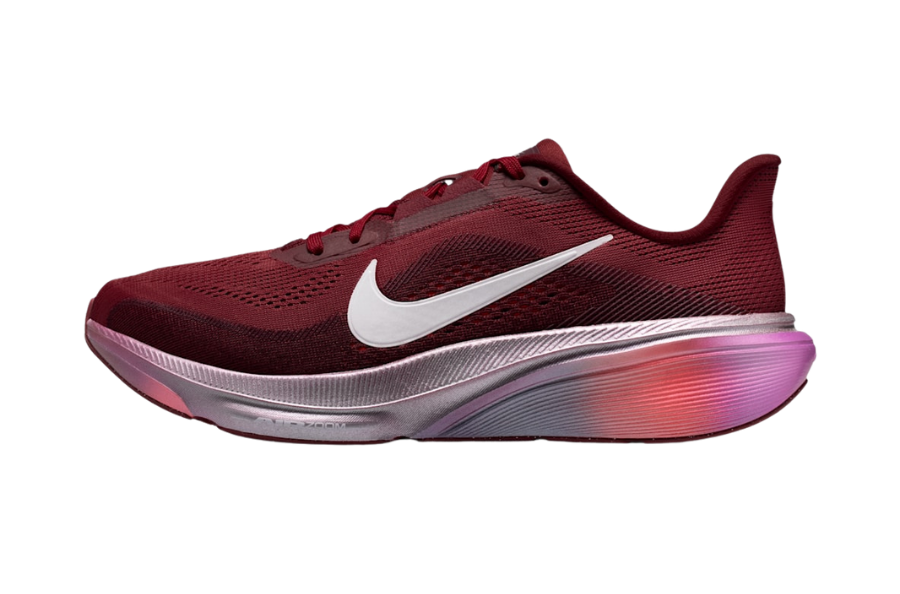
Running and walking
Nike Pegasus
Running and walking series direction from ShoesFinder's catalog. Compare the exact version on foot before treating it as a strong fit match. Typical U.S. retail is about $145-$230.
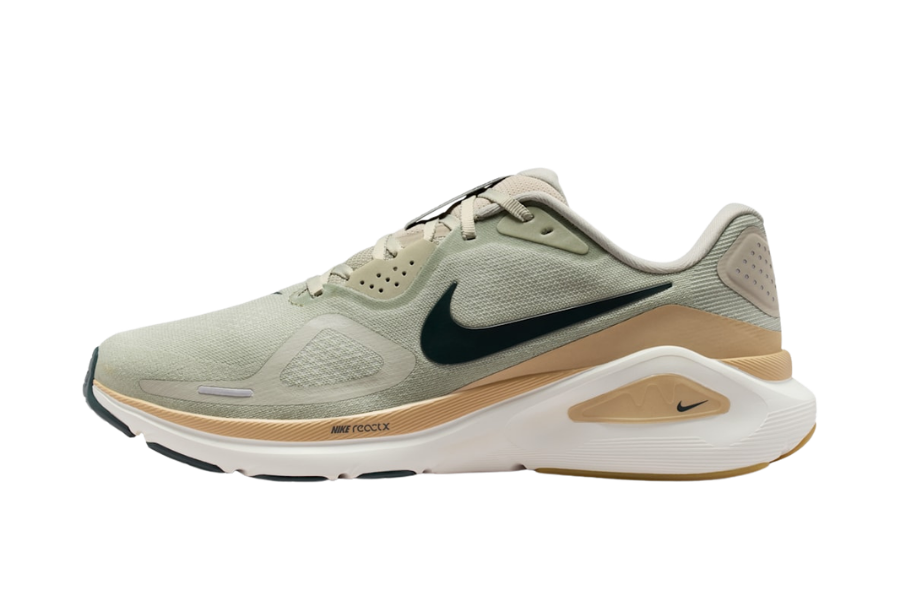
Running and walking
Nike Structure
Running and walking series direction from ShoesFinder's catalog. Compare the exact version on foot before treating it as a strong fit match. Typical U.S. retail is about $145.
Try-on checklist
- Lace both in your true size and the width you would buy, with your usual running or walking socks.
- Jog lightly and walk fast for a few minutes. The Pegasus should feel quicker and lighter; the Structure steadier and more held. Notice which you prefer, not which a review told you to like.
- Balance on one foot a few seconds per side. If your arch feels held and less wobbly in the Structure, that support is relevant to you.
- Stand still for sixty seconds on a hard floor. Note which leaves your arches and heels less tired — this predicts standing comfort better than the in-store jog.
- Check heel hold after normal lacing, and confirm about a thumb's width of toe space while standing.
FAQ
Is Pegasus or Structure better?
Not universally — they answer different needs. Pegasus is the lighter, more versatile neutral daily trainer for running and walking; Structure is the more supportive, stable option for feet that tire, roll inward, or need more hold. The better first try depends on your gait and how your feet feel after miles.
What is the difference between Nike Pegasus and Structure?
The main difference is support level. Pegasus is a neutral, lightweight daily trainer with medium support and cushioning; Structure adds high midfoot support, heel stability and platform stability for overpronation and tired arches, at the cost of a little lightness. Both sit in the same running and walking category.
Which is better for flat feet or overpronation?
The Structure is the more appropriate first try. Its high midfoot support and stable platform help resist the inward roll that flat-footed and overpronating feet tend toward. Pegasus is a neutral shoe that lets the foot move more freely, which is great for stable feet but offers less to lean on.
Which is better for standing all day?
Running shoes are built for forward motion, so test rather than assume. Between these two, the Structure's firmer, higher-stability base usually holds up better for stationary standing than the lighter Pegasus. The standing-all-day guide covers spring-back cushioning and a firm heel counter in full.
Can wide feet wear either?
Both list a regular forefoot, so check the specific version's width options. If the forefoot feels squeezed, choose a wide width in your correct length rather than sizing up, which can cause heel slip. Judge fit standing, later in the day, with the socks you will wear.
Turn this into a shortlist
Use the assessment if you are balancing more than one issue, or browse the catalog if you already know the main fit feature you want to compare.