Quick answer
The best shoes for standing all day are cushioned but stable: foam that springs back, a wide base that does not rock, a firm heel that locks in, steady arch support, and a roomy toe box. Nurses, retail and warehouse staff, teachers, and commuters should test all five on a hard floor for several minutes before buying.
Why this problem happens
- Long standing applies steady, low-level pressure even when you are not walking fast.
- When you stand still, the calf's blood-pump action slows, so fluid can pool and muscles hold a tiring static load.
- Hard floors like concrete and tile return impact straight up through the feet; soft surfaces absorb some of it.
- A shoe that is too soft or unstable makes foot and ankle muscles work constantly to keep you balanced.
- Forefoot pressure, arch fatigue, heel slip, and swelling can each change which shoe fits best.
- Shoes are one effective intervention; mats, movement breaks, and compression matter too.
What to look for
- Cushioning that compresses and springs back instead of bottoming out
- A stable, wide platform that does not rock or tip
- A firm heel counter that keeps the heel locked in
- Steady midfoot and arch support that holds without poking
- A roomy toe box with about a thumb's width past the longest toe
- A shape that stays comfortable walking, not only standing
- A slip-resistant outsole if you work on wet or smooth floors
- A removable insole if you plan to use replacement insoles or orthotics
Features to be careful with
- Ultra-soft 'cloud' shoes that wobble or collapse by mid-shift
- Very narrow platforms or heavily rockered soles for stationary standing
- Thin, flat canvas or fashion sneakers on concrete and tile
- Ignoring heel slip because the first step feels cushioned
- Adding an insole to a shoe with no removable footbed, which makes it too shallow
Who this guide is for
Start here if your feet complain after a full day upright and you cannot point to one single problem. It is written for retail associates on hard sales floors, nurses and healthcare workers finishing long shifts, warehouse and kitchen staff on concrete, teachers and stylists who barely sit down, and anyone whose commute is mostly walking and standing. It also covers travelers on airport concourses and standing-desk days at home.
If your day mixes standing in one spot with bursts of walking, this guide covers both, because that mix is where plush slip-ons and fashion sneakers that felt fine in the aisle start to flatten or rub by mid-shift. Not sure which problem is yours? Take the short fit assessment to narrow it down. No account required. If you already know your issue, the sister guides go deeper on arch fatigue, heel slip, little-toe rubbing, and a high instep.
Why standing all day tires your feet
Standing is harder on the feet than most people expect, because nothing is moving. When you walk, the calf muscles contract with every step and pump blood back up the legs. Stand still and that pump barely runs: fluid can pool in the lower legs, muscles hold a low-level contraction for hours, and the arches slowly fatigue under steady body weight. You can read more on why your arches ache after hours of standing.
The surface makes it worse. Carpet and wood give a little; concrete and tile give almost nothing, sending unabsorbed force back up through the feet, knees, and back. Thin, flat shoes such as canvas slip-ons, flat boots, and wafer-midsole fashion sneakers pass that impact straight through.
Independent reviews support footwear as one effective way to reduce discomfort from prolonged standing. A peer-reviewed review from NIOSH researchers found that shoes and shoe inserts, along with floor mats and sit-stand breaks, can help reduce standing-related fatigue and pain (Waters & Dick, Rehabilitation Nursing, 2015). When you compare shoes, one useful independent signal is the APMA Seal of Acceptance. It means a panel of podiatrists reviewed the product and found it allows normal foot function. Note that it is a product review, not a ranking or an endorsement, and only shoes submitted to the program are evaluated. If pain is persistent or severe, talk with a podiatrist or other healthcare professional.
Two things are worth knowing about that evidence. The CDC/NIOSH summary and the Waters & Dick review come from the same NIOSH research group, so they are one body of research rather than two separate studies. And the review is clear that movement and posture changes are the most effective interventions, with shoes and inserts as part of the picture, which is why this guide also covers mats, breaks, and movement.
Sources: CDC/NIOSH – Prolonged Standing at Work · Waters & Dick 2015, Rehabilitation Nursing (PMC4591921) · APMA Seal Program
Standing vs walking: why a shoe can ace one and fail the other
Standing and walking both keep you on your feet, but they test a shoe differently. If your day is a real mix of the two, you are shopping for shoes for standing and walking all day, and both halves of the test have to pass.
Standing in one spot is a test of time and stability. A soft midsole slowly flattens under your weight, a narrow base lets the ankle rock so the foot keeps making tiny corrections, and an unsupported arch gradually tires, usually by hour three or four. Nothing rubs or pinches; you just feel more and more done.
Walking adds heel strike, a roll through the midfoot, and a push-off from the forefoot. That is where a sloppy heel counter shows up as your heel lifting at the counter or on the stairs, and where a narrow toe box starts pressing the little toe and the ball of the foot. Walking also builds heat and swelling, so a shoe that fit at 8 a.m. can feel tight by 3 p.m.
Compare candidates in the running and walking shoes and commute and casual shoes catalogs on both jobs at once, not just the one you happened to test in the aisle.
The 5 features of the best shoes for standing all day
Forget marketing words like "cloud" or "energy return." Five structural features separate the shoes that last a shift from the ones that quit at lunch. The table covers each feature, why it matters, and how to check it in the store.
Notice what is not on the list: maximum softness. Cushioning matters, and it is the first row, but it needs a floor under it. The most comfortable shoes for standing long hours pair softness with structure. The step-by-step guide to finding shoes that fit turns these checks into a repeatable routine.
The shoe series that match these five features are listed further down this page, each with a link into the catalog so you can see the current model and typical price. They are starting points for try-ons, not guarantees: a series can fit differently across years, versions, and men's and women's builds, so always try the exact shoe on.
Tired, burning arches? Check midfoot support first
If the ache starts in the midfoot or inner heel and builds the longer you stand, midfoot support is the feature to focus on. A shoe that feels fine for a 20-minute errand can leave arches burning by hour six, because the foot's supportive structures work the entire time with no help.
- Look for a shoe that feels steady under the arch after several minutes, not just the first ten seconds.
- Watch for a platform that makes your ankle or arch keep subtly bracing; that is the foot fighting the shoe, not resting in it.
- Make sure there is enough room to add your own insole; some supportive shoes run shallow.
- Test the single-leg stand: balance on each foot a few seconds. A held, supported feel is good; a hanging, stretching feel is a warning.
- For the full set of checks, see the arch fatigue guide, including how to tell a support problem from a cushioning problem.
Ball-of-foot pain or a rubbed little toe? Check the toe box
When the pain is at the ball of the foot, the little toe, or across the metatarsals, the issue is usually pressure and space, not your arches. Feet spread and swell under hours of body weight, and a shoe that fit in the morning can be squeezing the forefoot by afternoon.
- Forefoot cushioning that does not feel thin after walking; press the ball area for real foam depth.
- A toe-box shape that does not push the little toe inward or rest a hard seam across the metatarsals.
- Enough front-of-shoe volume once the foot spreads; stand for five minutes, not just seated.
- Little-toe hotspot? Width and toe-box shape matter more than cushioning, see the little-toe rubbing guide.
- High, tight instep? Look for shoes with more room across the top of the foot.
Why the softest shoe in the store lets you down by hour three
The trap is easy to fall for: the shoe that feels best in the store is usually the softest one, because plush foam is instantly pleasant. But a very soft shoe can tire you out over a long shift in three predictable ways.
The first is wobble. A high, squishy stack gives the foot no stable reference, so the small balance muscles in the ankle stay switched on the whole shift. The second is collapse: the foam compresses flat after a few hundred steps, so by afternoon you are basically standing on the hard shell underneath. The third is heel movement. A soft heel counter flexes when it should grip, and a heel that lifts and slips with every step changes the whole gait.
Real scenario
Consider a line cook on twelve-hour kitchen shifts who switched to famously soft lifestyle sneakers because they felt like walking on a cloud at home. Within two weeks his lower legs were more tired than ever, and on a wet line he nearly slipped; the soft, smooth outsole had almost no grip. A firmer work shoe with a slip-resistant outsole and a stiff heel counter gave up the plush first-step feel and removed the end-of-shift leg fatigue.
Your shift, your priorities: retail, nursing, kitchens, commuting, travel
The best shoe shifts with what your day actually looks like. A nurse who mostly stands at a bedside station needs a different balance than a commuter who walks two miles and stands on a train. Set your priorities with the table before you shop.
If you are looking for the best shoes for nurses or retail workers standing all day, the common thread is a firm heel counter, durable cushioning, and, in kitchens and warehouses, a slip-resistant outsole that is easy to wipe clean; many workers also add replacement insoles and compression socks. Walking- and transit-heavy days point toward the commute and casual catalog, while long stationary shifts on hard floors point toward the supportive end of the running and walking catalog.
Within the running and walking shelf, two Nike series come up again and again for long days, and the choice changes with how much cushioning versus versatility you want. See how the Vomero compares to the Pegasus for long days on your feet before you try either.
Do replacement insoles help? The one fitting rule
If a supportive shoe still leaves your arches tired, a replacement insole is the next thing most people try, and it is a legitimate one. The same NIOSH-reviewed evidence groups shoe inserts with shoes as an effective way to reduce standing discomfort. An over-the-counter arch support adds firmness under the midfoot where a stock footbed falls short, and it can stretch the life of a shoe whose foam still springs back but whose top layer has packed out.
The catch is that insoles take up space. Check for a removable stock insole, which most good walking and standing shoes have, because swapping it out keeps interior volume roughly the same. Add an insole on top of a fixed footbed and the shoe gets shallower: the top presses the instep, the heel can lift, and a shoe that fit perfectly feels a half-size small.
So choose the shoe first, with enough interior volume, then fit the insole, and try the shoe in store with the exact insole and socks you will use. The replacement insoles guide covers when inserts help and when they crowd the shoe. If you use prescribed orthotics from a podiatrist, follow that fitting advice over anything generic.
Beyond shoes: mats, breaks, and movement
If you control your workspace (a standing desk at home, a register station, a kitchen), a cushioned mat does more for a fixed spot than almost any shoe upgrade, and short, regular breaks off your feet beat any single shoe feature. Shoes, mats, movement, and breaks stack; they do not compete.
How to test shoes in the store: the 5-minute routine
A thirty-second jog up a carpeted aisle says almost nothing about a standing shoe. The problems that ruin a shift, such as heel lift, arch fatigue, and forefoot squeeze, show up after a few minutes on a hard surface. Wear the socks you would wear on a real day, including compression socks if you use them, and bring your replacement insole if you plan to use one. Shop later in the day if you can, when feet are slightly larger and closer to their hour-eight size. Always try the exact model: a series can fit differently across years and versions, and the men's and women's builds of the same name are not always identical.
The table below is the routine. The printable 3-minute try-on checklist is built to take into the store.
When to stop shoe-shopping and see a podiatrist
This guide helps you choose comfortable shoes; it is not medical advice, and no shoe is a treatment. Most standing soreness is mechanical and improves with better footwear, support, and movement breaks. But some signs deserve a visit to a podiatrist or another healthcare professional rather than another trip to the shoe store. A podiatrist can assess your gait and foot structure and, if needed, prescribe custom orthotics, in which case the shoe's job is to hold that orthotic securely with enough room; follow the clinician's direction first, with the insole-fitting advice above as backup.
- Pain that is persistent or severe, or that keeps worsening despite well-fitting, supportive shoes.
- Numbness, tingling, or burning in the foot or toes, which can point to nerve compression rather than simple fatigue.
- Swelling that does not go down overnight, or visible changes in skin color or temperature.
- Pain tied to a diagnosed condition such as diabetes, plantar fasciitis, neuropathy, or arthritis.
- Any pain that changes how you walk, or that lingers on your days off.
Shoe-series directions to compare
Useful ShoesFinder filters: Long standing and walking, Stable platform, Arch support, Strong cushioning.
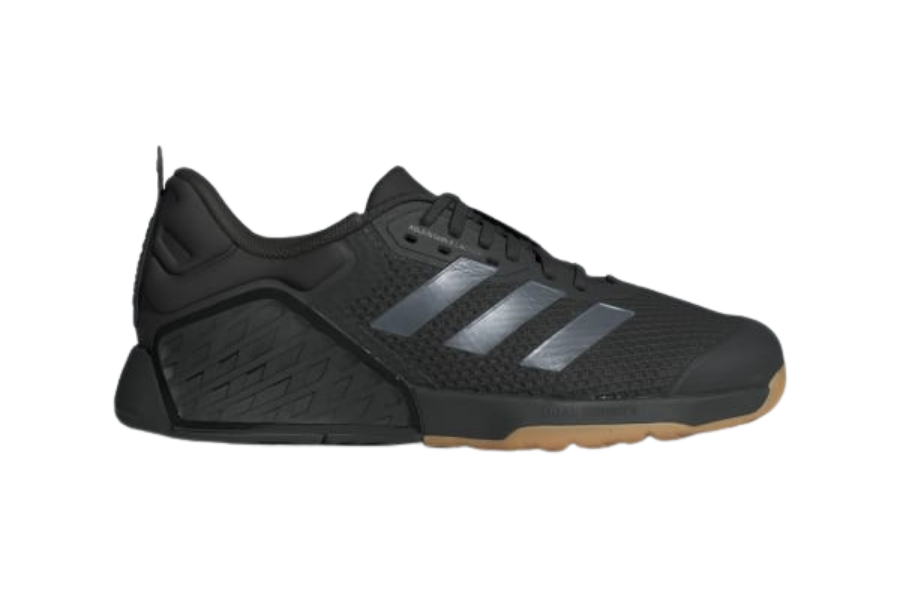
Training and gym
adidas Dropset
Training and gym series direction from ShoesFinder's catalog. Compare it for stable platform, arch support, long standing and walking. Typical U.S. retail is about $130-$150.
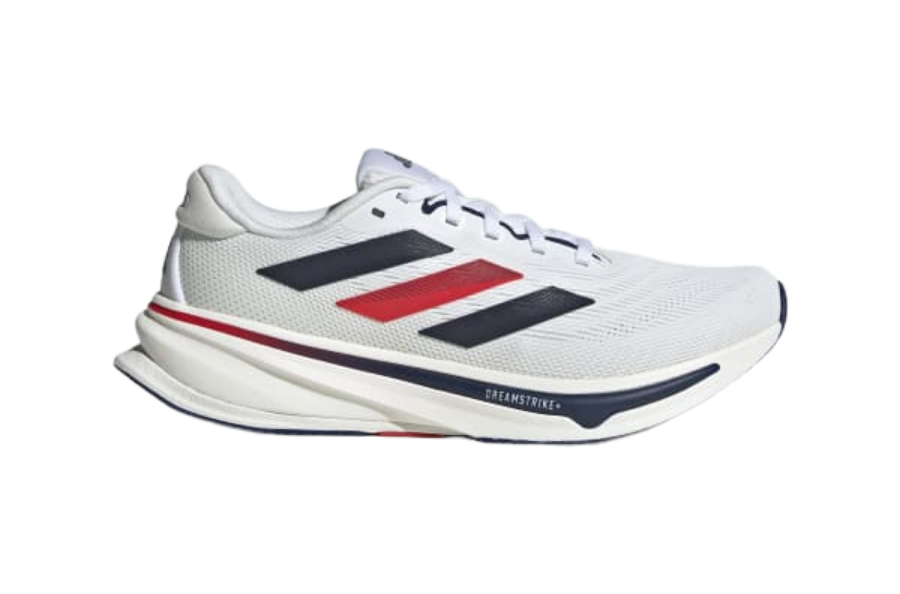
Running and walking
adidas Supernova
Running and walking series direction from ShoesFinder's catalog. Compare it for stable platform, long standing and walking, strong cushioning. Typical U.S. retail is about $100-$140.
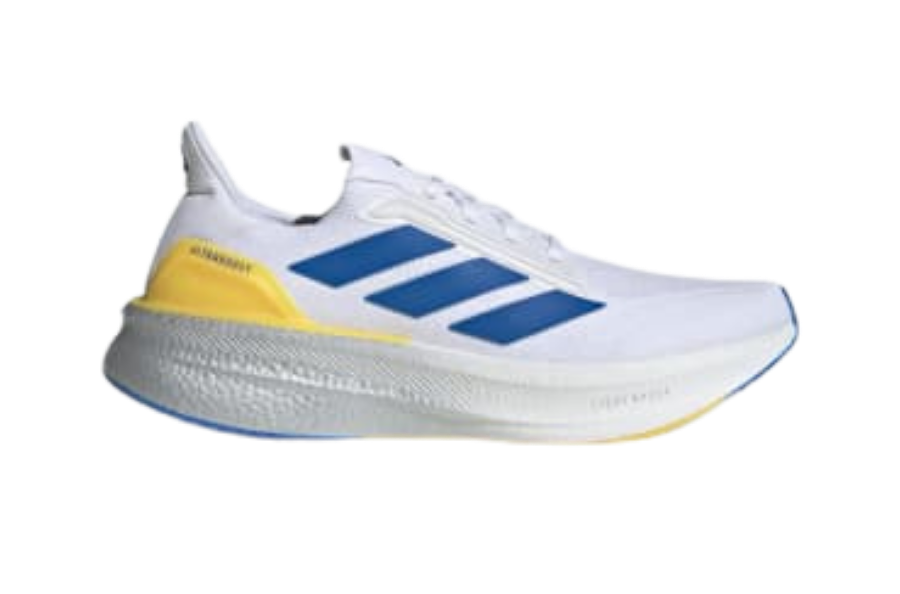
Running and walking
adidas Ultraboost
Running and walking series direction from ShoesFinder's catalog. Compare it for stable platform, long standing and walking, strong cushioning. Typical U.S. retail is about $180-$200.
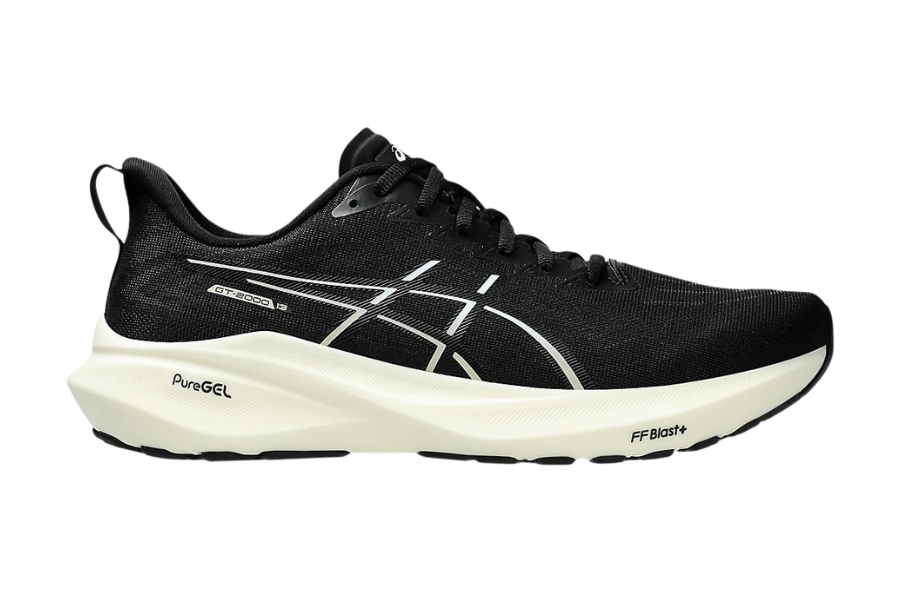
Running and walking
ASICS GT-2000
Running and walking series direction from ShoesFinder's catalog. Compare it for stable platform, arch support, long standing and walking. Typical U.S. retail is about $140.
Model reference
ASICS GT-2000 14If you are comparing the GT-2000 series for stability support, GT-2000 14 is a useful model reference for arch support, heel stability, and long standing or walking needs.
If you need wide or extra-wide sizing, check the exact available version. During try-on, compare outer forefoot room, instep pressure, and heel hold together.
Hiking and outdoor
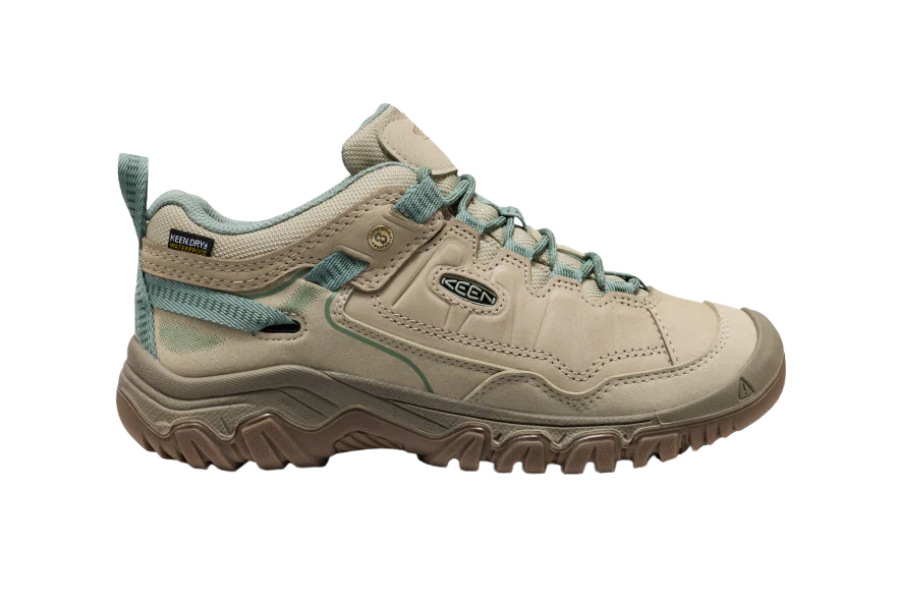
KEEN Targhee
Hiking and outdoor series direction from ShoesFinder's catalog. Compare it for stable platform, arch support, long standing and walking. Typical U.S. retail is about $155-$170.
Running and walking
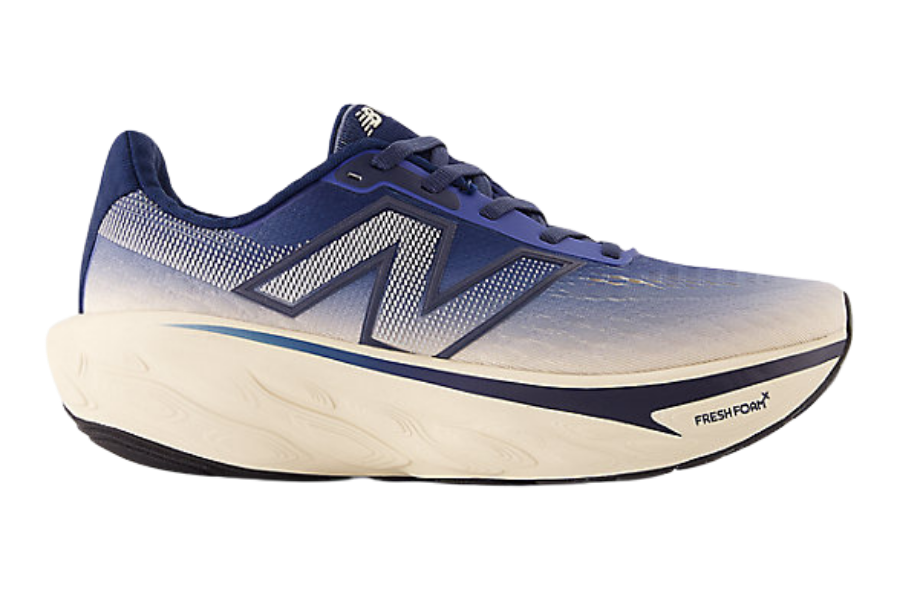
New Balance Fresh Foam X 1080
Running and walking series direction from ShoesFinder's catalog. Compare it for stable platform, long standing and walking, strong cushioning. Typical U.S. retail is about $165.
Model reference
New Balance Fresh Foam X 1080v15If you are comparing the 1080 series for higher cushioning and daily comfort, 1080v15 is a useful model reference for long standing, forefoot pressure, and longer walking needs.
During try-on, check whether the soft cushioning feels too unstable and whether the instep, forefoot, and heel can all fit at the same time.
Running and walking
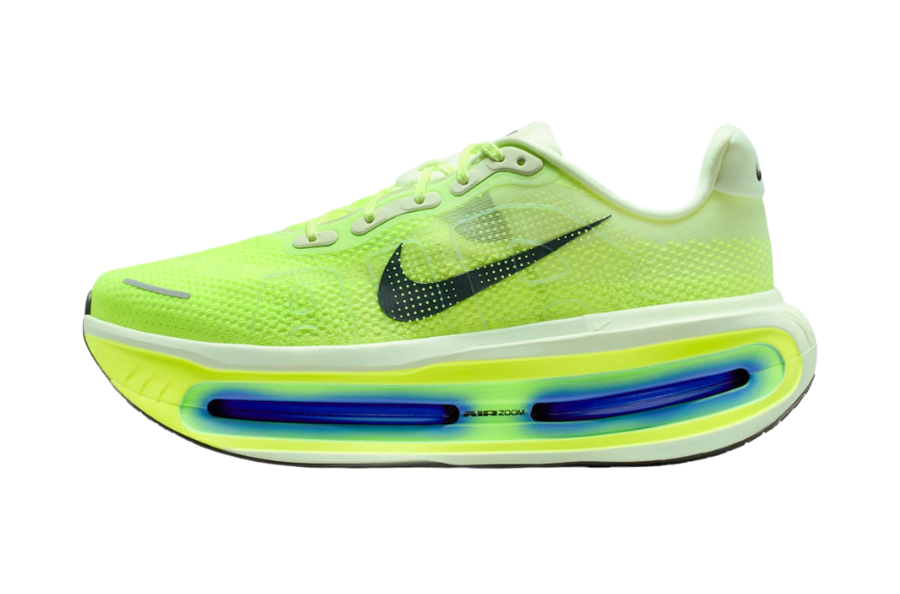
Nike Vomero
Running and walking series direction from ShoesFinder's catalog. Compare it for stable platform, long standing and walking, strong cushioning. Typical U.S. retail is about $155-$180.
Model reference
Nike Vomero 18If you are comparing the Vomero series for a more cushioned direction, Vomero 18 is a useful model reference for long walking, daily running, and forefoot pressure needs.
During try-on, do not judge only by the first soft step. Walk and turn to confirm the higher stack still feels steady at the heel and ankle.
Try-on checklist
- Wear the socks or compression socks you use on shifts, and bring your replacement insole.
- Stand on a hard surface (tile or concrete) for 2–3 minutes, not just carpet.
- Press the midsole with your thumb; it should spring back, not stay flat.
- Squeeze the heel counter; it should feel firm, not soft.
- Walk quickly and make tight turns; feel for any heel lift or foot slide.
- Balance on one foot a few seconds per side; the arch should feel held.
- Check toe space while standing, about a thumb's width past the longest toe.
FAQ
Are the softest shoes best for standing all day?
Not usually. Plush foam feels great for the first minute, but a shoe that is soft without structure can wobble, flatten by afternoon, and let your heel move, all of which make foot and leg muscles work harder. Look for cushioning that compresses and springs back, paired with a firm heel counter and a wide, stable base. Softness should be one feature, not the whole shoe.
Do I need arch support for standing all day?
Most people benefit from some midfoot support on long standing days, because it keeps the arch from slowly tiring under hours of body weight. The right amount feels steady and held, not like a hard object pressing into the foot. If your arches ache mid-shift, prioritize supportive shoes or a removable insole; the arch fatigue guide goes deeper.
Are running shoes good for standing all day?
Some are, some are not. Running shoes usually have good cushioning, but many are built for forward motion and can feel soft or slightly rockered when you stand still for hours. Stability-focused or firm-cushioning running and walking shoes tend to work better than ultra-soft, high-stack racers. Check platform stability and the heel counter with the tests in this guide rather than assuming a running shoe is automatically a good standing shoe.
What are the best shoes for nurses and retail workers standing all day?
Common choices are supportive walking or stability shoes with a firm heel counter, durable cushioning, and, in kitchens and warehouses, a slip-resistant outsole that is easy to wipe clean. Many healthcare and retail workers also add replacement insoles and compression socks. The specific model matters less than the five structural features in this guide and a proper in-store fit; browse the running and walking and commute and casual catalogs.
Are memory foam shoes good for standing all day?
They can feel great briefly but often disappoint over a full shift. Memory foam compresses with body heat and weight and can pack flat, leaving little support by afternoon, and very soft midsoles tend to be unstable for stationary standing. If you love the soft feel, choose a shoe that pairs it with a firm heel counter and a wide base, and replace it once the foam stops springing back.
Do insoles help for standing all day?
They can. Over-the-counter arch supports add firmness under the midfoot and are grouped with shoes as an effective intervention in the NIOSH-reviewed evidence. The key is fit: use a shoe with a removable stock insole and enough interior volume, and try the shoe with your insole in the store. Adding an insole on top of a fixed footbed often makes the shoe too shallow and creates new pressure.
Should standing shoes be flat or cushioned?
Neither extreme. Completely flat, thin-soled shoes pass hard-floor impact straight to your feet, while over-cushioned shoes can be unstable. Aim for the middle: real cushioning depth that springs back, a stable wide platform, and firm arch and heel support. The goal is shock absorption plus structure, not maximum height or maximum flatness.
Should I size up or go wide for standing shoes?
Do not simply buy a larger length, because that can cause heel slip. Feet do swell and spread during long standing, so if your forefoot feels squeezed, a wide version of your correct length is usually the better answer, and a roomy toe box matters more than extra length. Always judge fit while standing, later in the day, with the socks you will actually wear.
How often should I replace shoes I stand in all day?
Watch the foam, not just the calendar. Once the midsole compresses and stays flat, the heel counter softens, or you feel more fatigue than you used to, the shoe has lost the support you bought it for. For daily all-day wear that often lands around six to twelve months depending on weight, surface, and hours; rotating two pairs can extend the life of each.
Can the right shoes prevent standing-related injury on their own?
No. Supportive, well-fit shoes are one effective way to reduce standing discomfort, alongside floor mats, sit-stand breaks, regular movement, and compression. The NIOSH-reviewed evidence treats footwear as part of a set of interventions, with movement and posture changes rated most effective. If pain is persistent, severe, or accompanied by numbness or swelling, see a podiatrist or healthcare professional.
Turn this into a shortlist
Use the assessment if you are balancing more than one issue, or browse the catalog if you already know the main fit feature you want to compare.